
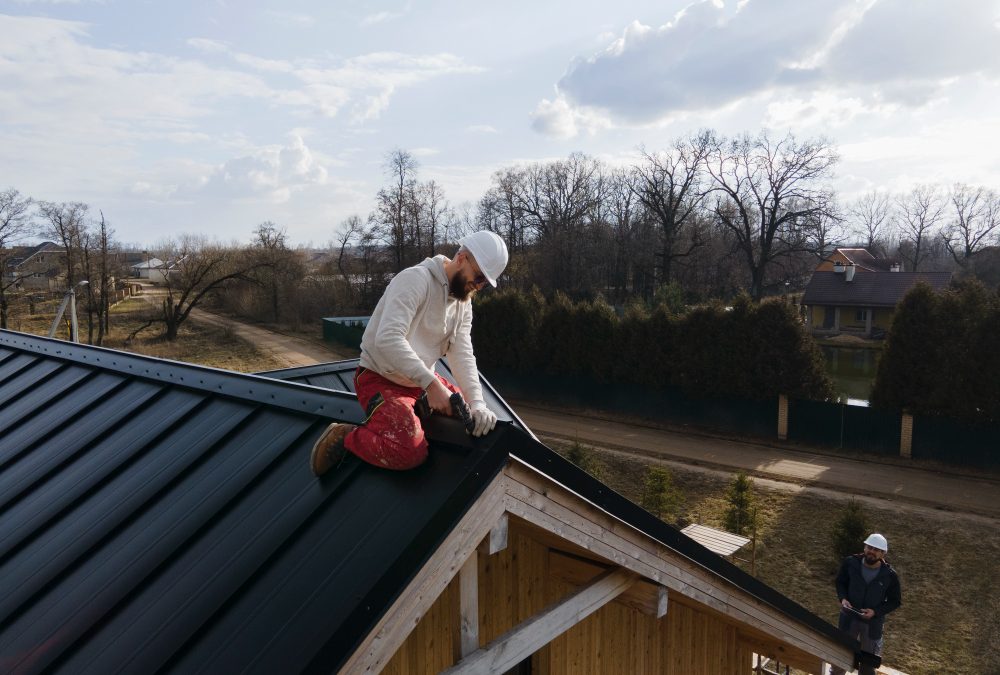
To fix corrugated metal roofing sheets, inspect the roof for leaks or rust, replace loose or damaged screws, seal gaps with metal roof sealant, remove rust and apply primer, and replace severely damaged panels if needed. Proper sealing and regular maintenance help extend the roof’s lifespan and prevent future leaks.
Corrugated metal roofing sheets are widely used across residential, agricultural, and commercial buildings because they are durable, lightweight, and cost-effective. Over time, however, even the toughest metal roofing systems can develop problems such as leaks, rust, loose fasteners, and structural damage caused by severe weather. If you are searching for how to fix corrugated metal roofing sheets, this detailed guide will walk you through everything you need to know, from identifying damage to performing professional-grade repairs.
Whether you are handling minor repairs yourself or preparing to hire a contractor, understanding the repair process will help you protect your investment and extend your roof’s lifespan.
Understanding Corrugated Metal Roofing
Corrugated metal roofing sheets are typically made from galvanized steel, aluminum, or zinc-coated steel. Their wavy pattern increases strength and allows water to drain efficiently. These roofing panels are secured with screws and rubber washers, creating a watertight seal.
Despite their strength, corrugated sheets can face issues due to:
- Heavy wind uplift
- Improper installation
- Thermal expansion and contraction
- Corrosion and rust
- Aging sealants and washers
- Falling debris
- Foot traffic damage
The good news is that most issues can be repaired without replacing the entire roof.
Common Problems With Corrugated Metal Roofing Sheets
Before learning how to fix corrugated metal roofing sheets, it is important to identify the exact issue. Here are the most common problems homeowners face:
- Leaks around fasteners
- Rust holes
- Loose or missing screws
- Bent or warped panels
- Separated seams
- Improper overlaps
- Flashing damage
A proper inspection is the first step toward effective repair.
Safety First: Important Precautions
Roof repairs can be dangerous. Always follow safety guidelines:
- Wear non-slip shoes
- Use fall protection equipment
- Avoid working during wet or windy conditions
- Use a sturdy ladder on stable ground
- Wear gloves to avoid sharp metal edges
If the roof slope is steep or the damage is extensive, consider hiring a professional roofing company such as Own Restoration LLC for expert assistance.
Step 1: Inspect the Roof Thoroughly
Start by checking both the interior and exterior of your building.
Inside the building:
- Look for water stains on ceilings
- Check for mold or damp insulation
- Identify dripping points during rain
On the roof:
- Look for loose screws
- Check for rust spots
- Inspect seams and overlaps
- Examine flashing around vents and chimneys
Mark damaged areas with chalk so you can easily find them during repair.
Step 2: Fix Loose or Missing Screws
Loose fasteners are one of the most common causes of leaks.
How to repair:
- Remove damaged or rusted screws
- Replace them with new roofing screws with neoprene washers
- Ensure screws are tightened properly but not overdriven
- Replace missing screws immediately
Over tightening can damage the washer and create leaks, so apply firm but controlled pressure.
Step 3: Seal Small Leaks and Gaps
If leaks are coming from small gaps or around fasteners, roofing sealant can be effective.
Repair process:
- Clean the area thoroughly
- Remove dirt and rust using a wire brush
- Apply a high-quality roof sealant or metal roof caulk
- Smooth the sealant evenly
- Allow it to cure as recommended
Use a sealant designed specifically for metal roofing to ensure long-term adhesion.
Step 4: Repair Rust Spots
Rust is a common issue, especially on older galvanized steel roofs.
To fix rust damage:
- Scrub the rusted area with a wire brush
- Remove all loose debris
- Apply a rust-inhibiting primer
- Cover with matching metal roof paint
For small rust holes:
- Clean the area thoroughly
- Cut a small metal patch slightly larger than the hole
- Apply roofing sealant underneath
- Secure the patch with screws
- Seal the edges completely
This method prevents water penetration and slows further corrosion.
Step 5: Replace Damaged Panels
If a sheet is severely bent, cracked, or punctured, replacement may be necessary.
Steps to replace a corrugated sheet:
- Remove screws from the damaged panel
- Carefully slide it out from under overlapping sheets
- Insert the new panel in the same alignment
- Ensure proper overlap with adjacent panels
- Secure with new screws and washers
- Seal edges if necessary
Make sure the replacement panel matches the existing profile and material to maintain structural integrity.
Step 6: Fix Separated Seams
Seams may separate due to expansion and contraction.
To repair:
- Lift the overlapping sheet slightly
- Apply a bead of metal roofing sealant
- Press sheets together
- Secure with screws if needed
Proper sealing at seams is critical to prevent water infiltration.
Step 7: Address Flashing Issues
Flashing protects areas around chimneys, vents, skylights, and edges.
If flashing is damaged:
- Remove old flashing
- Clean the area
- Install new flashing
- Secure tightly
- Apply sealant at joints
Flashing failures are often the main cause of persistent leaks.
Preventive Maintenance Tips
After learning how to fix corrugated metal roofing sheets, preventive care is essential for long-term durability.
- Inspect your roof twice a year
- Clean debris regularly
- Trim overhanging branches
- Check fasteners after storms
- Repaint when protective coating fades
- Address minor issues immediately
Routine maintenance can extend your metal roof’s lifespan by decades.
When to Call a Professional
DIY repairs are effective for minor issues. However, call a professional if:
- The roof has widespread rust
- Structural supports are damaged
- Panels are extensively warped
- There is major storm damage
- Leaks continue after repair attempts
Professional roofing contractors use specialized tools and safety equipment to ensure proper repairs.
Cost of Repairing Corrugated Metal Roofing Sheets
Costs vary depending on damage severity.
Typical expenses may include:
- Sealant repair: $100–$300
- Fastener replacement: $150–$400
- Small patch repair: $200–$500
- Panel replacement: $300–$1,000 per section
DIY repairs reduce labor costs but require proper tools and safety precautions.
Tools and Materials You May Need
- Roofing screws with washers
- Cordless drill
- Wire brush
- Metal patch material
- Roofing sealant
- Rust-inhibiting primer
- Safety harness
- Ladder
- Metal roof paint
Having the right tools ensures professional-quality repairs.
How Long Do Corrugated Metal Roof Repairs Last?
Properly executed repairs can last:
- 5–10 years for sealant repairs
- 10–20 years for panel replacements
- 20+ years with regular maintenance
High-quality materials significantly increase repair longevity.
Final Thoughts
Knowing how to fix corrugated metal roofing sheets empowers homeowners to handle common issues efficiently. From tightening loose fasteners to replacing damaged panels, most repairs are manageable with the right tools and preparation. The key to long-lasting results is thorough inspection, proper sealing, and routine maintenance.
Corrugated metal roofs are designed for durability, and with timely repairs, they can last 40 to 70 years or more. Whether you choose a DIY approach or hire professionals, taking action early will prevent costly structural damage and extend the life of your roofing system.
If you are unsure about the extent of damage, always prioritize safety and consult experienced roofing professionals.
Frequently Asked Questions
How do you stop a corrugated metal roof from leaking?
To stop a corrugated metal roof from leaking, tighten or replace loose screws, apply metal roofing sealant around fasteners and seams, repair rust spots, and ensure flashing is properly sealed.
Can you patch a hole in corrugated metal roofing?
Yes, small holes can be patched with a metal patch, secured with roofing screws, and sealed with high-quality roof sealant to create a waterproof barrier.
How often should corrugated metal roofing sheets be inspected?
They should be inspected at least twice a year and after major storms to identify loose fasteners, rust, or seam separation early.
What causes rust on corrugated metal roofing sheets?
Rust forms due to prolonged exposure to moisture, damaged protective coatings, poor ventilation, or scratches that expose the underlying metal.
Is it better to repair or replace corrugated metal roofing sheets?
Minor damage, like small leaks or rust spots, can be repaired, but widespread corrosion, large holes, or structural damage may require full sheet replacement.