
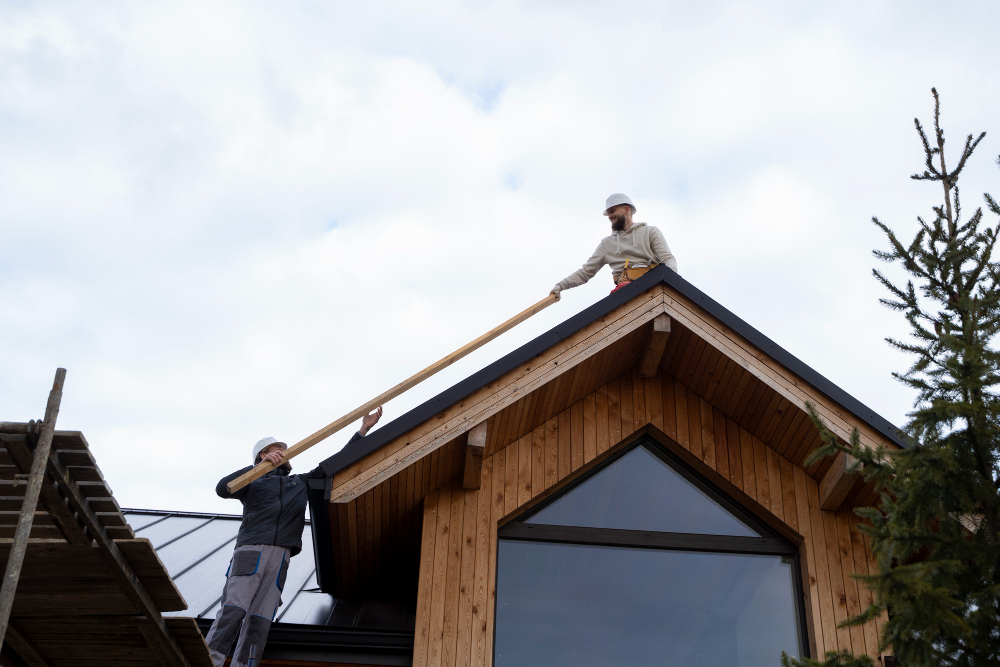
To maintain your home decor, every element that includes the roof plays an integral role. It shields you and your relatives from harsh weather and keeps you comfortable. However, every roof has a typical lifespan. You might observe signs showing that a roof replacement is necessary. Understanding these signs prevents additional costly maintenance and disastrous failures.
Signs Your Roof Needs Replacement
Various signs indicate that your roof requires replacement, which requires action.
Roof Age
The age of the roof is a crucial indicator of whether it needs maintenance or replacement. Roofing materials last for about twenty to thirty years. If your roof is approaching the end of its lifespan, it’s best to plan for a replacement. If you do not see any major issues, the fundamental materials may degrade over time.
Buckling or Curling Shingles
Have you ever inspected the shingles on your roof? If they highlight buckling and curling, it’s a clear indicator that your roof won’t protect you in stormy conditions. Shingles should be flat; otherwise, water may enter the room.
Granules in the Gutters
One of the basic types, asphalt shingles, sheds granules as they reach the end of their lifespan. These granules take their place in the gutters. If you found these in your gutters, it’s a clear sign that shingles are worsening.
Damaged or Missing Shingles
Sometimes shingles may be damaged, fractured, or cracked. Additionally, some shingles are missing pieces, exposing the roof structure and creating a significant future problem. Regularly checking the inspection can prevent major issues.
Water Damage or Leaks
If you notice water droplets or stains on your walls and ceiling, it may indicate roof leakage. A continuous leak may cause:
- Mould growth
- Structural problems
- Major water damage
If you experience leaks even after the repair, you need to replace the entire roof now.
Sagging Roof
Sagging of the roof should not be ignored. It may lead to major causes, including a damaged roof deck, weakened supports, and water damage. For the security of your homeowners, instant action should be taken.
High Energy Bills
The roof damage could also impact your home’s insulation. This can cause issues with heating and cooling. If your electricity bills suddenly increase, this may be due to the affected roof (which causes poor insulation).
Light Coming Through the Roof Sheets
During the day, go to the garret and check whether any light is coming in through the roof boards. If you notice any light streaming through, it indicates your roof has holes or gaps. Small holes can be sealed, but larger ones may need a full replacement.
Algae Growth and Moss
Although the growing algae and moss on your roof are not damaging, they can trap moisture. As time passes, shingles and the roof structure may be damaged by this moisture. Regular roof cleaning can help, but if the issue persists, replacement is required.
Expected Lifespan of Different Roof Materials
Once you decide to replace your roof, the next important step is to review the lifetimes of the different roof materials. If you choose the one with a long lifespan, it is less prone to degradation and requires fewer replacements.
- Asphalt shingle: 20 to30 years
- Composite shingle: 10 to15 years
- Clay tile: 40 to 80 years
- Wood shake or shingle: 30 to 50 years
- Concrete tile: 50 to100 years
- Metal: 40 to 80 years
- Slate tile: 50 to100 years
- Rubber: 30 to 50 years
Conclusion
Recognizing the signs of roof decay can prevent major, costly issues later. If you witness any of the signs, such as buckling shingles, roof leaks, high energy bills, or granules in the gutter, it is a clear indication that your roof needs replacement. It is important not to turn a blind eye to these alarming signs; hire an expert to conduct a thorough inspection and recommend replacements.