
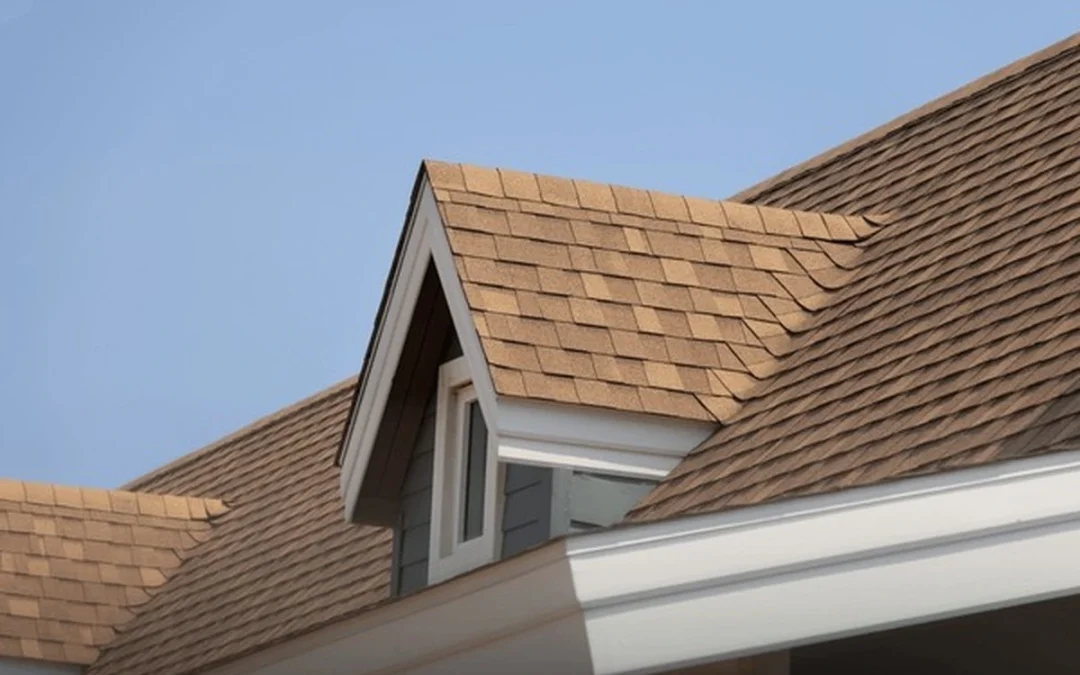
Roof shingles are the protective covering of a roof that keeps your roof safe from rain, moisture, and harsh weather. Naturally, this raises a common question among homeowners: how frequently should roof shingles be replaced?
Various types of roof shingles have different lifespans. Traditional roof shingles need replacing after 15 to 100 years because of the material. Metal and slate shingles last longer, around 200 years or more. Signs like curling, cracking, or missing shingles usually mean it’s time to replace them.
You can determine the age of your roof shingles by looking at the kind you used. In addition, the changing climate, a history of roof maintenance, and visible wear also indicate that your roof needs to be replaced.
In this blog, learn about the complete details about the lifespan of different shingles, what the signs are, and what factors indicate that you should replace the roof shingles.
Signs That Indicate You Need Shingles Replacement
Various visible signs can cause damage to your roof shingles. It’s best to tackle these issues early before it’s too late to suffer. Here are some signs that it might be time to replace it:
- Curled Shingles: The curled shingles are the visible sign of replacement. They can no longer provide adequate protection because rainwater easily seeps through the leaks into the house.
- Missing Shingles: Some roofs have missing shingles, and they are considered not a big problem. The underlying shingles may also be damaged if left unnoticed, so it’s better to replace them.
- Water Leaks: The water drops in the interior of the house clearly indicate that the shingles are not working properly. There might be a leak in the shingle, which strongly suggests that replacing it should be your priority.
- Granule Loss: The surface of asphalt shingles sheds granules over time. If you see more granules in your gutter, it indicates it’s time to replace your asphalt shingles.
- Algae Growth: If you notice any algae on the shingle, have it inspected by a professional. In addition, the age of the shingles determines whether they can protect your home or need to be replaced.
How Often Should You Replace Roof Shingles?
Learn about the lifespan of different roof shingle type, as this determines how many times the roof shingles need to be replaced.
Asphalt Shingles
An asphalt roof shingle typically lasts about 15 to 30 years and is the most common type of roof shingle. The architectural shingles have a longer lifespan, lasting up to 10 years longer.
Metal Shingles
The average lifespan of metal roof shingles ranges from 40 to 70 years. The lifespan may be extended by different types of metal, reaching 50 to 100 years. Copper and zinc last longer.
Wood Shingles
The roof made from wood shingles lasts for about 25 to 50 years. But mostly people assume that it does not last longer than 30 years. It is because wood shingles require more maintenance, while some areas don’t allow them because roofs may be easily damaged by fire.
Slate Shingles
Metal and slate roof shingles usually last for many years. However, considering both, slate roof shingles are costly but provide longer-lasting durability than a traditional roof.
Factors that Affect the Shingle Longevity
- Extreme weather conditions, such as snow and heavy rainfall, can shorten the lifespan of your shingles.
- The quality of the shingles and the installation affect their longevity. High-quality shingles last longer than low-quality ones. If the installation is not done appropriately, the shingles will not last as long.
- Proper ventilation is so important. If roof shingles are not properly ventilated, airflow is restricted, which can lead to damage.
- Not conducting the inspections regularly also affects the expected life of shingles. Frequent delays in roof cleaning may lead to major problems, such as the need to replace shingles.
Bottom Line
A well-maintained roof is undoubtedly one of the best investments you can make in your property. Yet, having an eye on your shingles is a big part of that. Knowing the expected lifespans of different roofing shingle materials helps you make an informed decision about replacing roof shingles.
It is necessary to consider your local climate and maintenance. You do not have to wait for leaks or mold; use these signs to plan replacements early. Timely shingle replacement safeguards your home against water damage and preserves its value and curb appeal.